INJURIES
- Elbow dislocation
- Radial head fracture
- Coronoid fracture
OPERATIONS
- Radial head ORIF (open reduction and internal fixation with screws/plate)
- Radial head replacement
- Coronoid ORIF
- Lateral and/or medial ligament repair/reconstruction
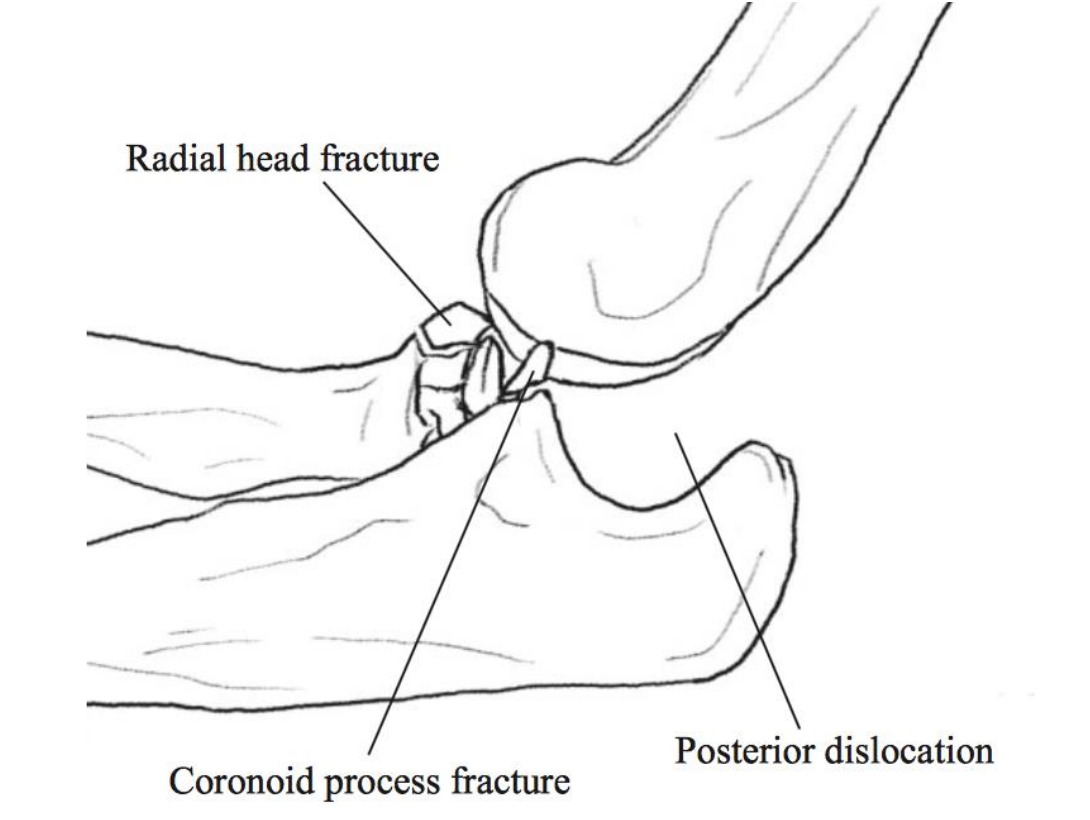
A terrible triad injury to the elbow is a devastating injury which involves a dislocation of the elbow, a radial head fracture and a coronoid process fracture.
There are various grades of this injury which will determine your level of treatment ranging from non operative management in a plaster and/or sling to having an operation to restore function to your elbow.
Firstly, the elbow is a complex hinge joint made up of three bones: the radial head, olecranon (proximal ulna) and the distal humerus. There are multiple ligaments and soft tissues providing support to your elbow joint.
The terrible triad can lead to multiple problems acutely and long term.
INSTABILITY AND STIFFNESS
Instability can present with the sense of dislocation or the joint slipping out (subluxation). You may simply not trust the elbow. We can sometimes allow the damaged ligaments and the capsule to ‘scar up’ without surgery to restore stability in your elbow joint. The instances where we can treat this non operatively is usually in the setting of a ‘simple dislocation’ where there are no bony breaks (fractures). This will require close observation, serial reviews of your clinical examination as well as repeat xrays. You may also require further 3D imaging such as a CT or MRI scan.
Other times surgery is needed such as in ‘complex dislocations’ to fix your broken bones and ruptured ligaments. Elbow instability can lead to post traumatic arthritis as well as subsequent elbow stiffness, hence these are treated aggressively in the acute period to get the anatomy back as close to normal as soon as possible.
Stiffness. The elbow joint is notorious for stiffness after injuries to the joint. After the capsule and ligaments scar down in the first 3 months after injury and/or surgery, the elbow may become extremely stiff to the stage where your day to day function is limited (such as brushing your teeth, opening doors, or reaching out to grab objects from a table or shelf). For this reason, regardless of whether your elbow requires surgery or is treated non operatively – the goal is to get your elbow moving as soon as safely possible with the aid of a physiotherapist.
Most terrible triad elbow injuries require surgery to fix the broken bones and recreate the joint surfaces as well as provide stability to the joint to allow you to start moving your elbow joint as soon as possible to minimize the risk of a stiff elbow joint in future.
SURGERY
The operation is generally performed under a general anaesthetic. We may infiltrate local anaesthetic into your wound to minimize your post operative pain. The operation is almost always a minimum overnight stay as you may require further imaging after surgery as well as pain relief overnight.
The operation duration will vary depending on the nature of your injury and the amount of work required to rebuild the anatomy and provide stability. This may involve fixing the radial head with screws with or without a metal plate, possibly even performing a radial head joint replacement (the bone is replaced with a metal implant), coronoid fixation through a separate incision, ligament stabilization with sutures and anchors into bone on a single or both sides of your elbow. If your elbow is grossly unstable from a high energy injury, you may require an external pins and bars (fixed or hinged external fixator frame) with pins sticking out of your skin. You will generally wake up from your anaesthetic with a long arm backslab plaster and a sling on your arm. We aim to get your elbow moving after we take your arm out of plaster in 2 weeks time.
Can I drive after my operation?
You will be in a plaster for 10 to 14 days after surgery and will NOT be able to drive. After you come out of plaster, you will go into a sling and be allowed to perform gentle elbow range of motion exercises. You can discuss with Dr Jang after this review if you can start driving as it will depend on the nature of your injury and operation.
Can I shower after my operation?
You will need to keep the plaster dry for the first 10 to 14 days. You can place your arm in a plastic bag to shower immediately after your operation. We will perform a wound review and take your plaster off at the first visit. You may shower without any dressings or bags if your wound has healed adequately at this review.
TERRIBLE TRIAD ELBOW POST OPERATIVE REHAB PROTOCOL
The first three months after your injury/operation is a careful balance to get your elbow joint to heal as well as to battle the impending stiffness
0-2 weeks
Plaster and/or sling. In this time you may perform gentle shoulder and finger range of motion exercises. Dr Jang may place you in a sling only and advise gentle elbow and wrist exercises in this early period. In this time, there is a chance of developing excessive bone formation in your soft tissues (heterotopic ossification) due to the trauma and surgery. You will be placed on a medication for 4 weeks to help prevent this bony formation if not contraindicated (NSAID: Celecoxib 200mg daily/Indomethacin).
2 weeks
Visit at the hospital or rooms for a wound review, xray check and assessment of elbow range of motion.
2-6 weeks
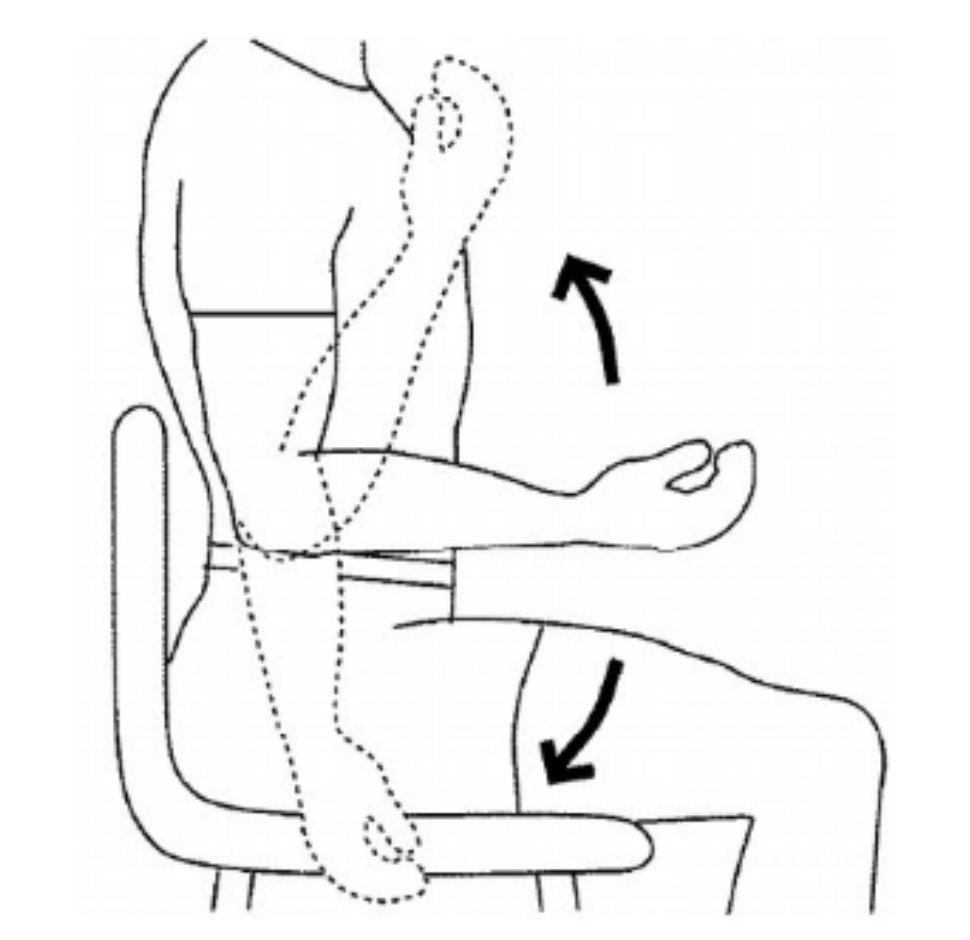
Commence a physiotherapy range of motion exercise program. Aggressive range of motion exercises. We will permit all elbow range except full extension as that may stretch your ligament repair in the early recovery period. Weeks 2-4 post operatively: avoid full extension. Ie 30-degree extension block. Weeks 4-6 aim for full elbow extension and flexion. Strictly no lifting more than 1kg. Avoid varus stress through the elbow ie. Leaning forward and opening the fridge door with the affected elbow.
Weeks 6
Follow up with Dr Jang for a clinical examination and xray check (to check for bony healing and also ensure no heterotopic ossification – excessive bone formation).
Weeks 6-12
Pushing elbow range of motion as much as you can after your review with Dr Jang. This will be a slow process so don’t be disappointed if your elbow is not fully straight at the 6 week mark. Progressive resistance exercises with therabands. No contact sports or heavy lifting. You may commence gentle swimming if your pain is settling.
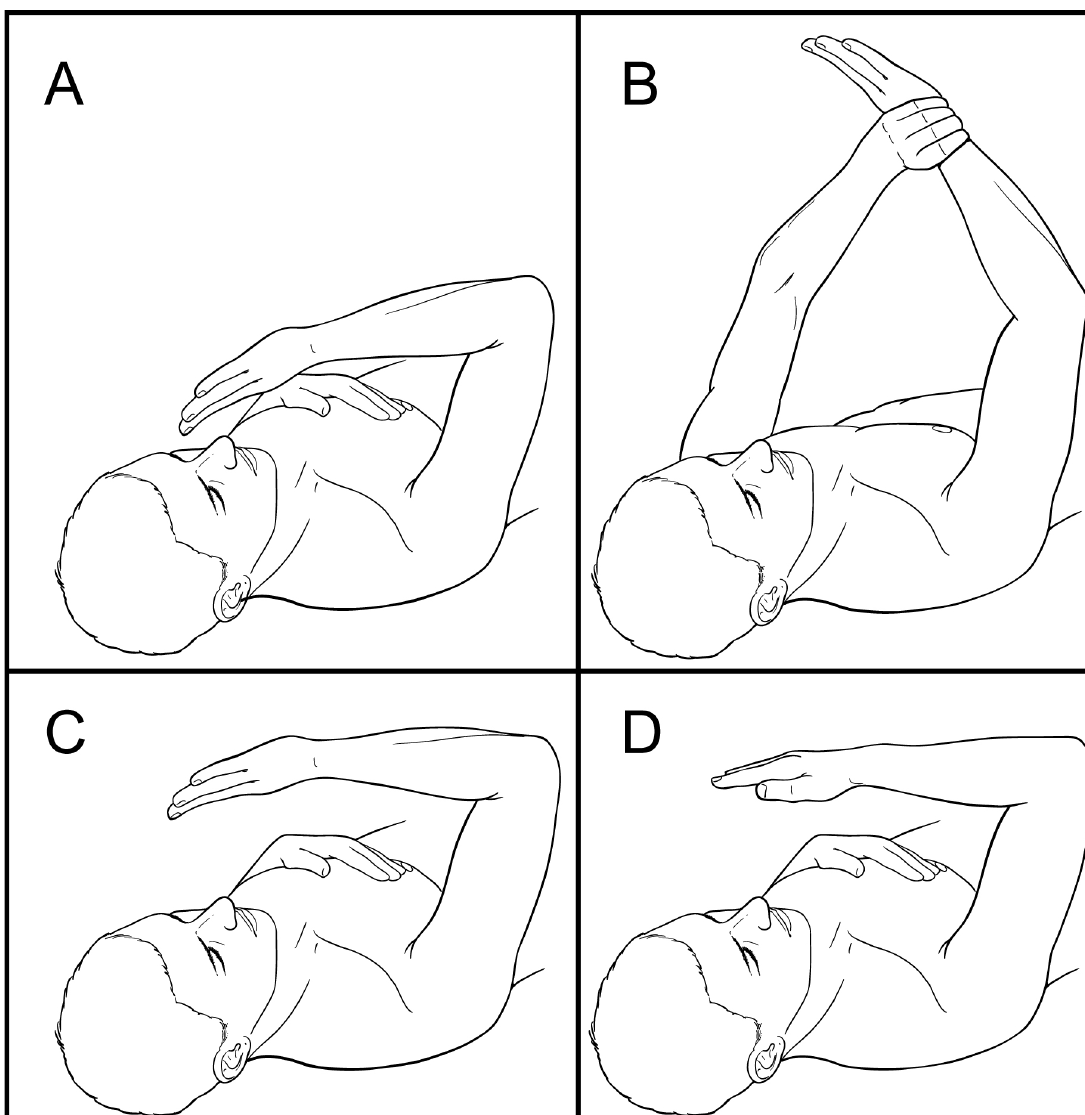
Months 3 to 6
Functional rehabilitation. Return to work program with your employer or physiotherapist. Avoid high impact activities until your 6 month final review with Dr Jang.
Perform these exercises after your week 2 follow up
Wrists
Rest your forearm firmly on a table top and hang your hand over the edge of the table. Bend your wrist up and down as far as possible.
Rest your forearm firmly on table top and hang your wrist over the edge of the table. Move your wrist in circles to the right and to the left.
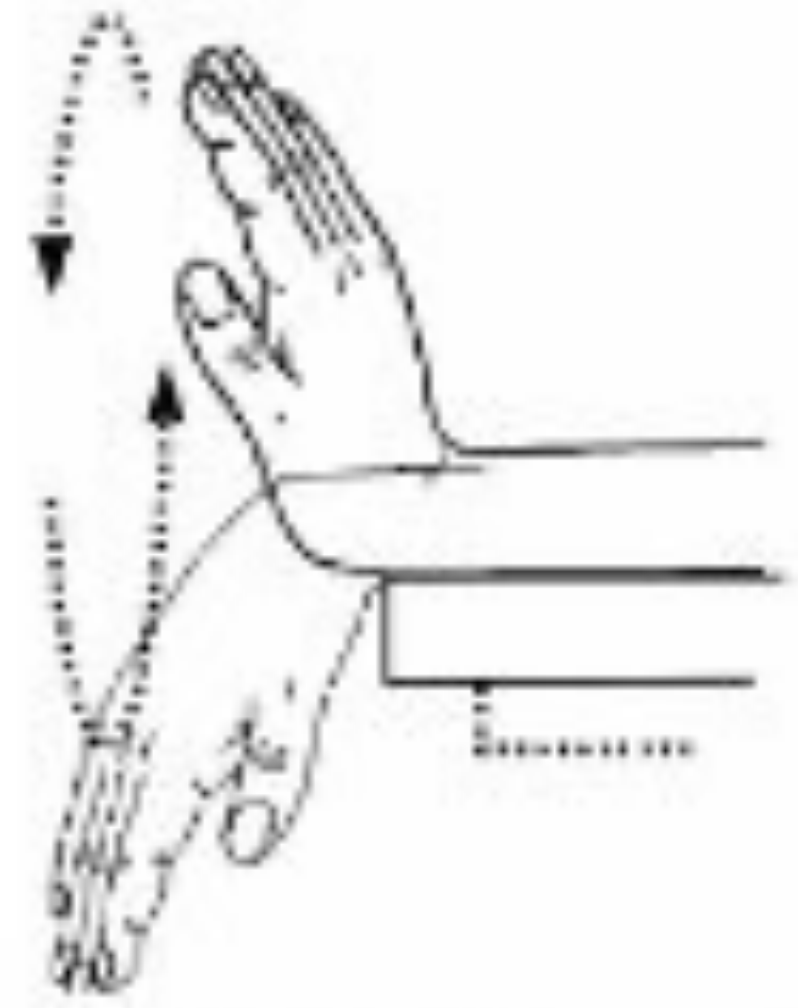
Put your forearm with your hand, palm down, on the table. Move your hand toward the little finger side. Then move the hand toward the thumb side. Keep your forearm still.
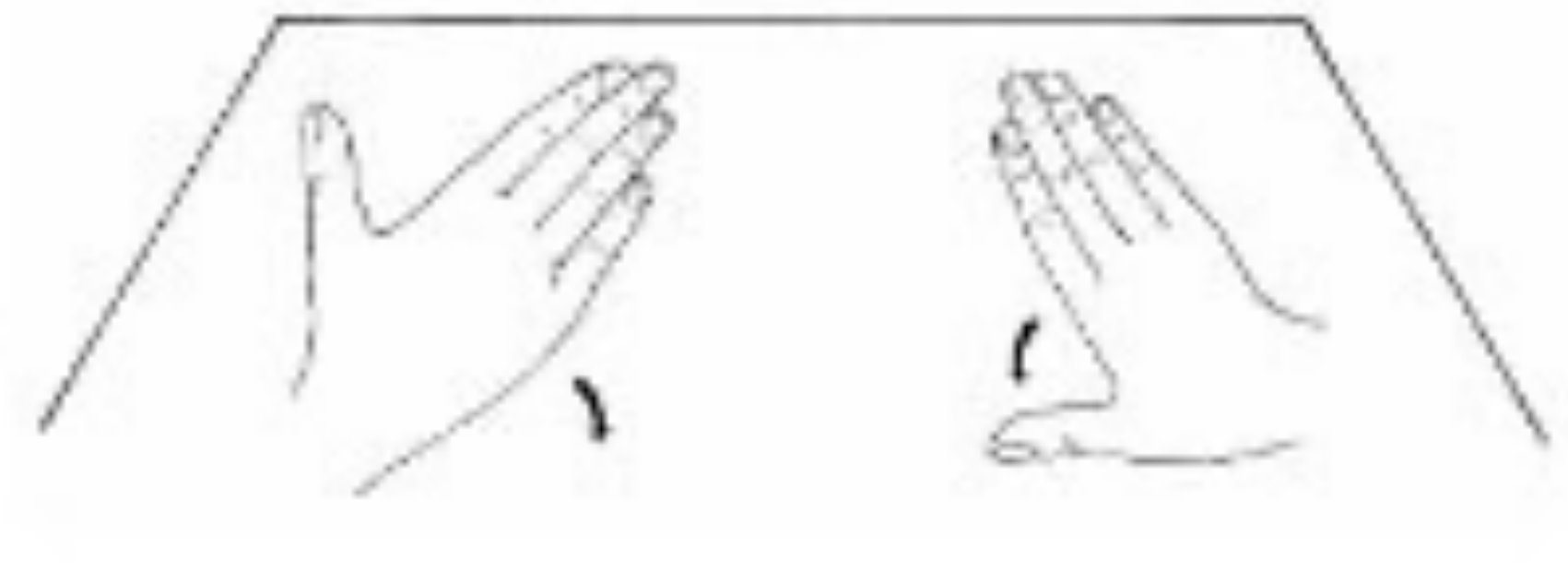
Forearms
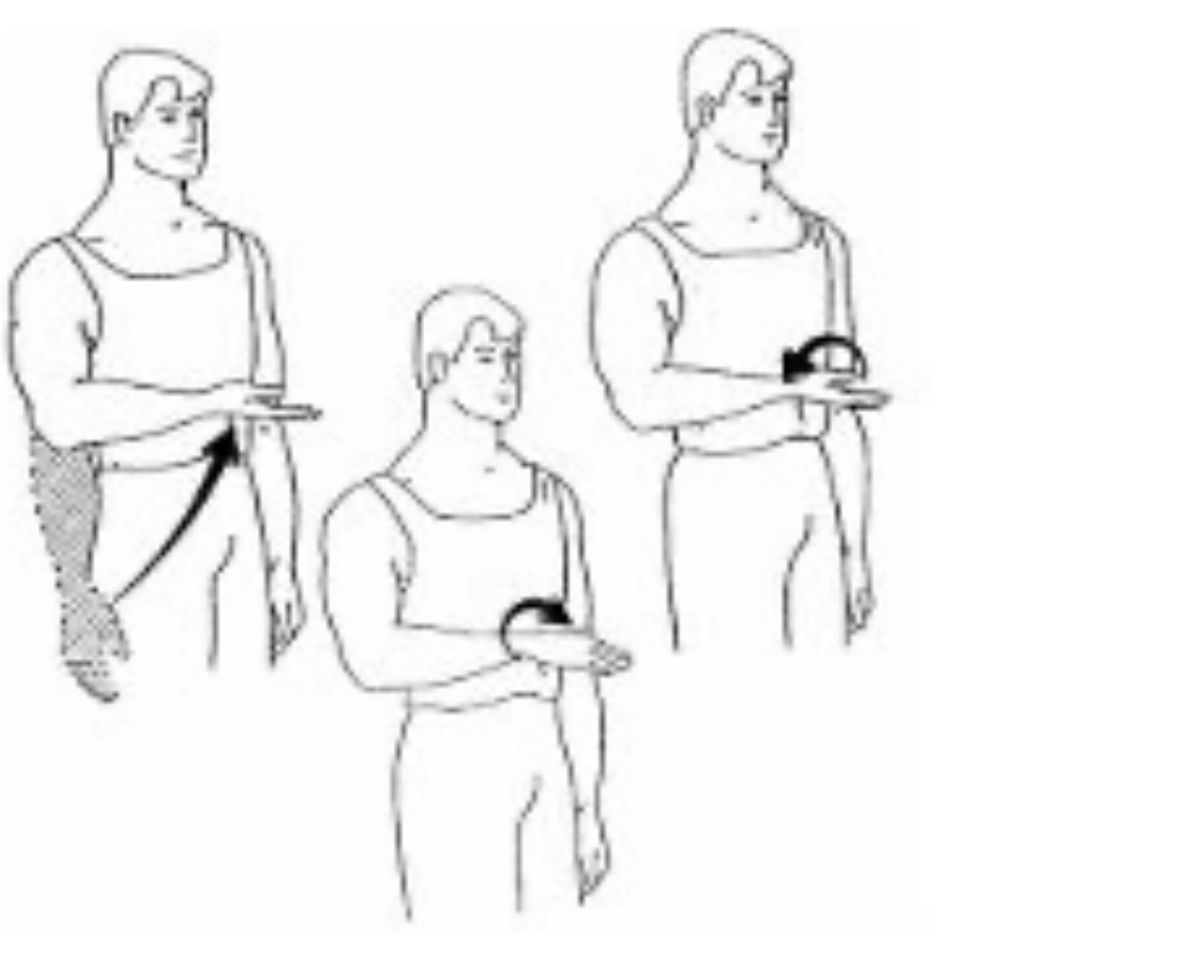
Place your arms at your side with elbows bent. Turn your hand so that the palm faces up to the ceiling. Now turn your hand so that the palm faces down to the floor, keeping your elbow tucked in at your side.