Distal radius fractures are a very common orthopaedic injury. These injuries can occur from a simple trip and fall onto an outstretched hand.
Depending on the angle the distal radius breaks/fractures, the fracture is called a Colles or a Smiths fracture. They may also fracture into many tiny pieces (comminution) and extend into the joint.
Wrist fractures will present with swelling, pain and sometimes deformity to your wrist.
Many wrist fractures can be treated with a simple plaster and elevation for 6 weeks followed by a period of hand therapy provided the fracture remains in a good position on xray.
Your GP/emergency doctor will refer you to an orthopaedic service or orthopaedic surgeon to review you clinically and to review your scans. You will at the very least need to get xrays of your wrist including your hand and forearm.
Some fractures may displace or break into enough pieces in a suboptimal position and warrant an operation. There are many factors to help guide whether your orthopaedic surgeon decides to offer an operation (degree of comminution, position of the wrist, your age, hand dominance, occupation, smoking status, bone quality).
Surgery
Once a decision is made for an operation (due to the fracture being unstable or the fracture not being suitable for a cast), you will be taken to the operating theatre and given an anaesthetic (general anaesthesia or regional nerve block). An incision is generally made over the volar/palmar aspect of the wrist over the tendon which you can palpate. Tendons, nerves and vessels are protected. A low profile plate is placed on bone and the fracture is stabilized using screws through the plate. Sometimes a second incision is made on the back (dorsum) to help reestablish anatomy with secondary plates.
In rarer instances, if your fracture is very unstable or your bone is too soft, a plate can be placed across your wrist joint to bridge out the fracture (bridge plate. Spanning wrist plate). Even rarer, an external frame is placed on your wrist to hold the fracture out to length. This will be discussed before your operation if there’s any chance you’re a candidate for these latter procedures.
Post operative management
After your operation, you’ll be discharged home once safe and advised to keep your limb elevated. You will be immobilized for 6 weeks. Generally you will be seen at 2 weeks and changed into a thermoplastic wrist splint after a wound check and allowed gentle range of motion exercises guided by your hand therapist.
Any concerns post operatively and you need to get in touch with Dr Jang, please contact the hospital where you had your operation. If in the public sector, get in touch with the orthopaedic registrar through the hospital switchboard or present to emergency.
ORIF Distal Radius Post Operative Protocol
Days 0-14
- Keep your limb elevated
- Keep your plaster dry. You may shower provided you cover your plaster with a plastic bag.
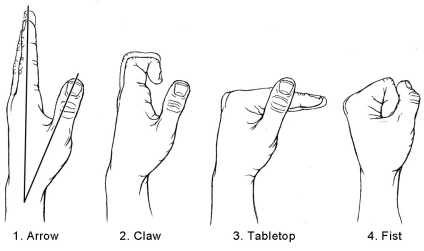
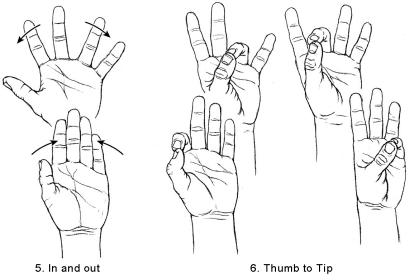
- Make a fist 5 to 6 times an hour whilst you’re awake. Pinch your thumb to your index/middle/ring/little finger throughout the day.
- You may use your hand for writing, typing, using your smartphone, getting dressed and brushing your teeth.
- Strictly no lifting in the first 6 weeks post surgery.
- Please commence Vitamin C 500mg tablets daily for 50 days as this can reduce the incidence of chronic wrist and hand pain after a wrist fracture.
- Simple analgesics such as Paracetamol and Ibuprofen are suitable for pain management.
- You can have a script for an opioid as required in the first 2 weeks post surgery.
Day 10 to 14
- Post operative appointment for wound check and change to wrist splint or fiberglass cast.
- Your wound will have healed by this stage and you can start hand washing and showering.
- Referral to Hand Therapist to make a thermoplastic wrist splint and start guided range of motion exercises, scar management, desensitisation.
- Depending on the nature of your injury/quality of bone/fixation type, you may be able to transition into a wrist splint and start gentle wrist motion. Dr Jang will advise you at the time of your surgery.
Weeks 2 to 6
Wrist splint to remain on at all times except when hand washing, showering and gentle range of motion exercises if permitted.
You may take the splint off 3-4 times a day to work on your exercises.
Strictly no lifting or pushing at this stage.
Week 6
Appointment to see Dr Jang at the 6 week post surgery mark for an xray check of your fracture position and healing. Dr Jang will also assess your range of motion.
Weeks 6 to 12
Come out of wrist splint. Start focusing on strengthening and grip strength.
Continue working on range of motion.
Start lifting 2-3 kg maximum and gradually work up the lifting 1kg each week as tolerated.
Week 12
Appointment with Dr Jang to ensure you’ve fully recovered.
You may still experience some swelling and occasional pain in your wrist.
Most wrist hardware doesn’t need to be removed however certain types of implants may cause irritation and rub under your tendons and may warrant an early removal. Dr Jang will discuss this with you prior to your initial operation.
Week 12 +
Gradual return to function with a final plan to return to work.
Exercises Immediately Post Operatively