- Stage 1 — Protect the repair (tendon-to-bone healing).
- Stage 2 — Restore passive → active range of motion (ROM).
- Stage 3 — Progressive strengthening (isometrics → resistance).
- Stage 4 — Functional/sport-specific training
Full recovery often takes 6–12 months, with many returning to full activity (including overhead sports) around 6–8 months if the repair is acute and the patient has followed the post-operative program.
General Rehabilitation Protocol (0–6 Months post-operative)
Phase 1: Protection (0–6 Weeks)
- Immobilisation — Sling/shoulder immobiliser full-time (you are allowed removal of sling for hygiene/pendulums). Arm typically at side or slight abduction. I may allow you to come out sooner than 6 weeks, however, I will advise you regarding this.
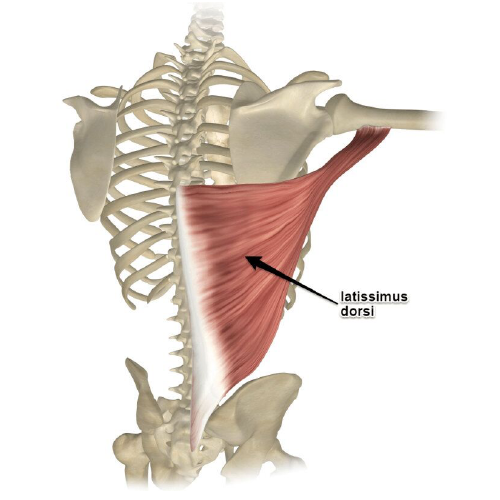
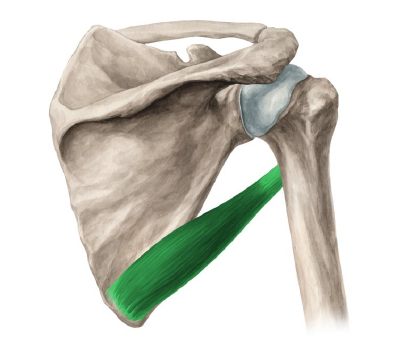
- Precautions — No active shoulder motion, especially adduction, extension, or internal rotation (these load the latissimus dorsi/teres major muscles). No resisted motions. Avoid reaching behind back or across body.
- Exercises (starting approximately on day 3–7, as tolerated):
- Gentle pendulum exercises
- Passive range of motion (PROM) by physiotherapist only (limited forward flexion to 90°, external rotation at side to 20–30°, abduction to 40–60° without rotation)
- Elbow/wrist/hand ROM and grip strengthening
- Scapular setting (gentle shrugs, shoulder blade squeezes without arm movement)
- Modalities — Ice, swelling control, gentle soft tissue massage permitted (avoid surgical site). No creams or bio-oils to be rubbed on the surgical wound for the first 6 weeks to minimise the risk of post operative infection or wound breakdown.
Phase 2: Early Motion (6–12 Weeks)
- Sling — Discontinue during day (use for comfort in public); wean completely by 8–12 weeks. I will generally advise you to use your best judgement after 6 weeks. You will generally not require the sling unless your workplace or public areas put you at risk of injuring your repair.
- ROM Goals — Progress to full passive then active-assisted followed by active ROM as pain allows.
- Forward flexion: 120–160°
- External rotation: 45–60°
- Avoid forced internal rotation or extension initially (ie. Putting your hand behind your back forcefully).
- Exercises:
- Supine/supported active-assisted ROM (wand/pulley exercises)
- Isometric scapular and rotator cuff exercises (very low intensity)
- Begin gentle isometrics for shoulder (8–10 weeks, submaximal)
- Posture training, thoracic mobility
- Precautions — Still no resisted adduction/extension/internal rotation until 12 weeks. No lifting/pushing/pulling.
Phase 3: Strengthening (12–20 Weeks / 3–5 Months)
- The goal here is to push for your full range of motion and SLOWLY build your strength again with resistance under the guidance of your physiotherapist. Any concerns, please liaise with me before undertaking the strengthening program.
- ROM — Achieve full symmetric ROM (may have mild permanent limitations in extreme internal rotation).
- Strengthening — Progress gradually:
- Begin light resisted motions (week 12): isometrics → theraband → light dumbbells (1-2kg).
- Focus on rotator cuff, scapular stabilisers first.
- Introduce LD/TM-specific: gentle pulldowns (front), rows, internal rotation (cable/band), shoulder adduction
- Progress to eccentric emphasis later
- 2–3 sets of 10–15 reps, low resistance → moderate
- Other — Aquatic therapy (if available), proprioception (e.g., body blade), core/lower body work.
- Precautions — Monitor for pain/swelling; no heavy lifting (>5 kg) or plyometrics yet.
Phase 4: Advanced Functional / Return to Sport (4–6 Months+)
- Timeline — approximately between 4 to 6 months: Begin light sport-specific drills (e.g., throwing program if athlete)
- Strengthening — Advance to heavier resistance, eccentrics, plyometrics (e.g., medicine ball tosses), advanced scapular control.
- Sport-Specific (for overhead athletes):
- Interval throwing program (short toss → long toss → mound progression)
- Advanced conditioning, power exercises (pull-ups, lat pulldowns — modified initially)
- Criteria for Full Return (6–8 months):
- Full painless ROM
- Strength 80–90% of contralateral side. Your physiotherapist or exercise physiologist can use dynamometers to measure this.
- Pass functional tests (e.g., throwing velocity, endurance)
- No pain during sport simulation
Key Tips for Patients
- Pain guide: Mild discomfort OK, sharp pain = stop and consult myself.
- Weekly physiotherapy recommended.
- Home exercise program daily
- Ice after sessions
- Avoid overhead lifting until 4–6 months.
- Full return to heavy manual work/sports often 6–9 months, however, please discuss with me at the rooms before undertaking these tasks/activities.
Yours sincerely,
Dr Bob Jang Orthopaedic Surgeon. BMed FRACS (Ortho) FAOrthA