
What is an Olecranon Fracture?
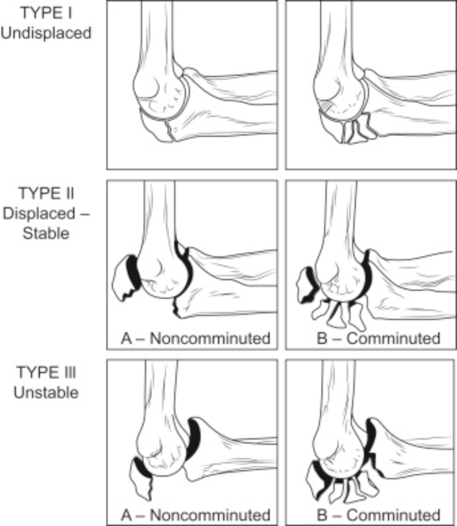
An olecranon fracture is a break in the bony prominence at the back of your elbow called the olecranon process. This type of fracture typically occurs as a result of a direct blow to the elbow or a fall onto an outstretched hand.
Treatment Options
The treatment for an olecranon fracture depends on various factors, including the severity of the fracture, displacement of the bone fragments, and your overall health. Treatment options may include:
Non-Surgical Treatment: If the fracture is non-displaced or minimally displaced, conservative treatment may be recommended. This often involves immobilising the elbow with a splint or sling to allow the fracture to heal.
Surgical Treatment: If the fracture is significantly displaced or if there are multiple bone fragments, surgery may be necessary to realign the bones and stabilise the fracture with plates, screws, or wires.
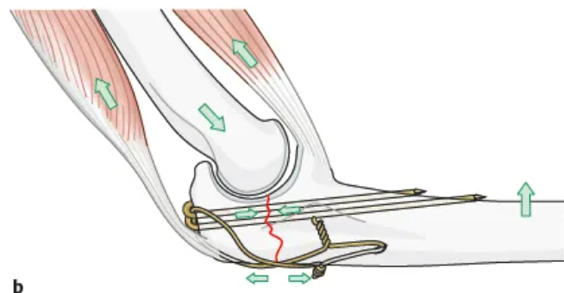
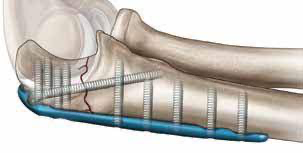
Your Surgery: You have undergone an open reduction internal fixation (ORIF) procedure to treat your olecranon fracture. During the surgery, the broken pieces of bone were realigned (reduced) and held together with plates, screws, or wires to stabilise the fracture. The ulnar nerve sits adjacent to the olecranon in the cubital tunnel. This nerve is at risk of injury if not identified and protected throughout the operation. This part of the procedure is called an ulnar nerve neurolysis. Once the operation has been completed you will have a long arm/above elbow backslab plaster applied to allow your soft tissues to heal as well as to provide pain relief. This cast will be removed between 10 to 14 days post operatively whereby you may commence elbow range of motion exercises.
Immediate Post-Operative Phase (0-2 weeks)
Pain Management: You will be provided with pain medication to manage any discomfort following surgery. Take these medications as prescribed.
Wound Care: Keep the surgical incision site clean and dry. Follow Dr Jang’s instructions regarding dressing changes and wound care.
Immobilisation: Your elbow may be immobilised in a splint, cast, or sling immediately after surgery to protect the surgical site and promote healing. You will be allowed to start bending and straightening your arm after your wound review with Dr Jang at 10 to 14 days post operatively. You will need to use a sling for the first 4 to 6 weeks post operatively.
Elevation: Elevate your arm above heart level as much as possible to reduce swelling and promote circulation.
Ice Therapy: Apply ice packs to the surgical area for 20 minutes at a time, several times a day, to reduce swelling and alleviate pain.
Range of Motion Exercises: Your surgeon or physical therapist may provide you with gentle range of motion exercises to perform to prevent stiffness in your elbow joint.
Intermediate Phase (2-6 weeks)
Follow-Up Appointments: Attend all scheduled follow-up appointments with your surgeon to monitor your progress and ensure proper healing.
Physiotherapy: Begin physiotherapy as recommended by your surgeon or physiotherapist to regain strength and range of motion in your elbow. Your therapy program will be tailored to your specific needs and recovery goals.
Gradual Resumption of Activities: Resume light activities of daily living as tolerated, avoiding heavy lifting or strenuous activities.
Protected Weight-Bearing: Avoid putting excessive weight or strain on your affected arm until cleared by your surgeon or physiotherapist.
Medication Management: Continue taking any prescribed medications and follow your surgeon’s instructions regarding pain management and other medications.
Advanced Phase (6 weeks onwards)
Confirmation of fracture healing: Dr Jang will request an X-ray or CT scan of your elbow to assess your fracture healing. If there is adequate healing occurring, your rehabilitation can be progressed to further strengthening from this point onwards.
Physiotherapy Intensification: Continue with your physiotherapy program to further improve strength, flexibility, and functional use of your elbow.
Progressive Strengthening Exercises: Gradually increase the intensity of your exercises to strengthen the muscles around your elbow joint.
Return to Activities: With approval from your surgeon or physical therapist, gradually reintroduce sports or activities that involve the use of your elbow, taking care to avoid reinjury.
Precautions
Follow Dr Jang’s Instructions: Adhere to all post-operative instructions provided by your surgeon and physiotherapist.
Avoid Falls: Take precautions to prevent falls, as another fall onto your elbow could result in further injury.
Monitor for Signs of Infection: Notify your healthcare provider immediately if you experience increased pain, redness, swelling, or drainage from the surgical site, as these may be signs of infection.
Protective Measures: Use caution when engaging in activities that could put stress on your healing elbow, and consider using protective equipment if necessary.
Conclusion
Recovery from ORIF surgery for an olecranon fracture requires patience, dedication to your rehabilitation program, and adherence to Dr Jang’s instructions. By following the recommended post-operative care plan and working closely with your healthcare team, you can optimise your recovery and achieve the best possible outcome. If you have any questions or concerns during your recovery process, do not hesitate to contact Dr Jang via his rooms or family doctor for assistance.